

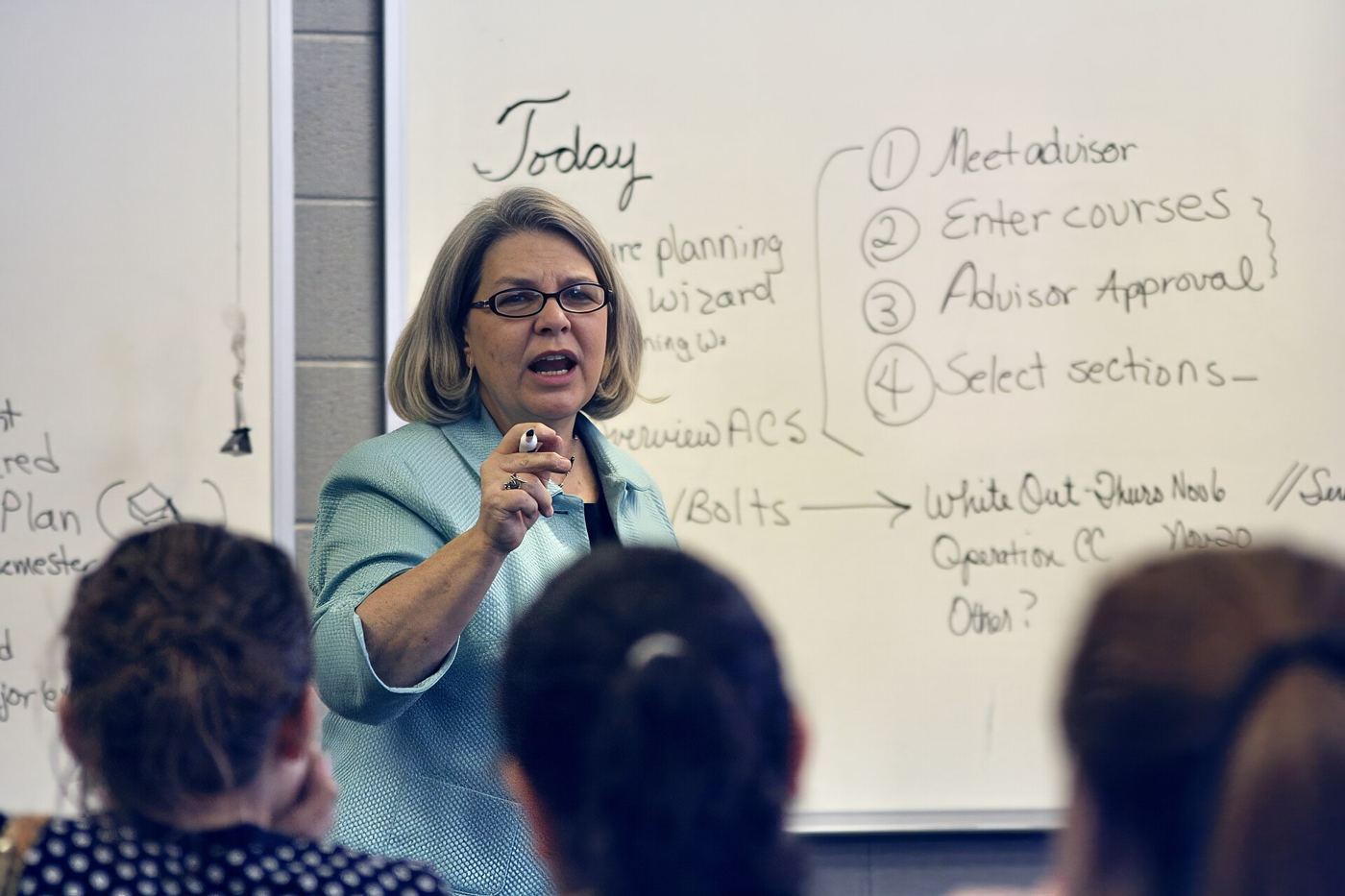
Schools are struggling to recruit enough teachers, with headteachers reporting vacancies in key subjects and a growing reliance on temporary staff to keep lessons running. The shortages are worst in subjects such as mathematics, science and languages, where graduates can earn more in other careers, but they now reach primary schools too. Heads say the problem is not only recruitment but retention, as experienced teachers leave for jobs outside the classroom, worn down by workload and the cost of living. The effect is felt by pupils, who may be taught by a rotating cast of supply teachers or see lessons merged into larger groups. Education unions say the shortages have been building for years and that short-term fixes, such as bursaries for trainees, have not been enough to turn the tide. Parents say the shortages are visible in the classroom, with cover teachers and cancelled lessons becoming a regular frustration.
What the Evidence Shows
Experts say keeping teachers matters as much as recruiting them, and that schools with the best retention tend to share the same features: manageable workloads, supportive leadership and time for teachers to plan and to learn from each other. Pay matters too, particularly for new teachers in expensive cities, where rent can swallow a starting salary. Some schools are trying new approaches, such as four-day weeks for planning, mentoring for new staff, and flexible working for parents returning from leave. Training providers add that the route into teaching needs to be welcoming, with clear support for trainees and honest information about the job. For the pupils, the stakes are simple: a stable, skilled teacher in every classroom makes the difference between a school that copes and one that thrives. Schools that keep their teachers often say the secret is listening, and acting on what staff say they need. Reporting and analysis from sources such as Associated Press track the same developments, and specialists following the widening teacher shortages say the direction is now consistent across independent lines of evidence.
The Wider Context
Regional and local reporting on the widening teacher shortages often tells a different story from national coverage, because the effects land unevenly: one town’s pilot is another’s distant proposal. Analysts who follow the subject full-time read the local data first, arguing that national averages conceal the variation that decides whether a policy or a project deserves to spread.
What Happens Next
The longer story of the widening teacher shortages is still being written by the people closest to it, whose experience rarely matches the earliest predictions of either supporters or critics. Reporting will continue to follow the evidence as it accumulates, including where it complicates today’s account. That is the deal serious coverage makes with its readers, and it holds for this subject as for any other. You can follow related developments in our coverage of news.
It is also worth remembering how quickly the picture in this area has changed before. Positions that looked settled a few years ago have been revised as new data arrived, and the same humility is appropriate now. The strongest coverage of this subject, and the most useful advice, tends to come from sources that update their views openly when the facts move, rather than defending an earlier position long after it has stopped fitting the evidence available.
