

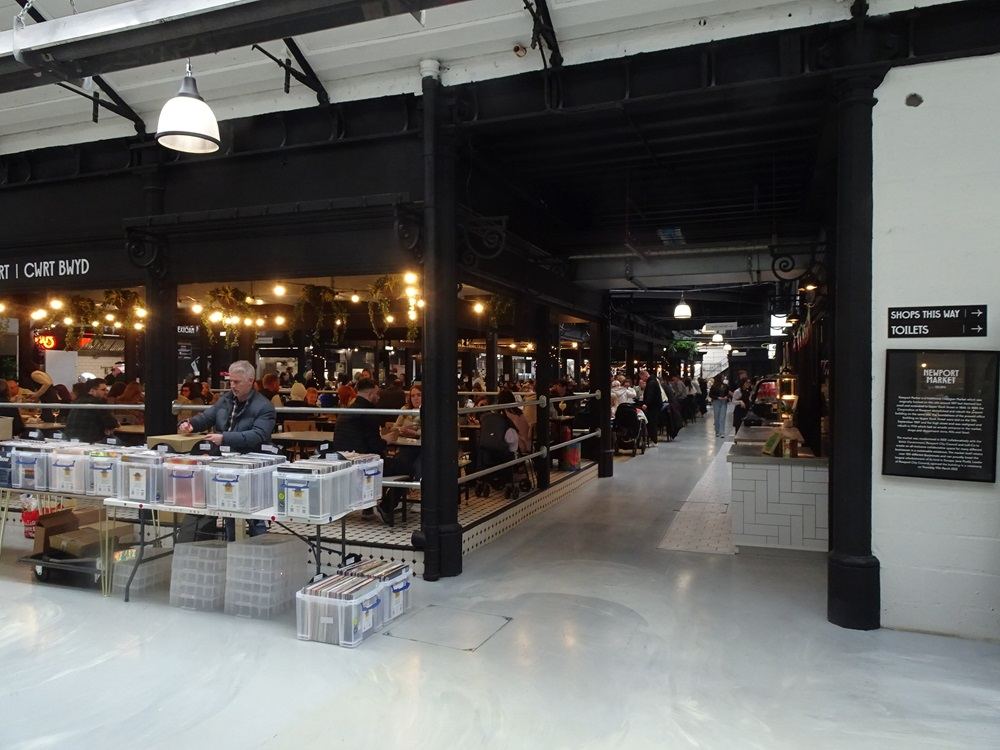
The historic market hall has reopened its doors after a months-long refurbishment, welcoming shoppers back to a brighter interior, repaired stonework and a row of new stalls selling fresh produce, baked goods and handmade crafts. Crowds gathered for the opening morning, when traders offered tastings and the mayor cut a ribbon at the main entrance before joining a tour of the restored building. The project, funded jointly by the council and a heritage grant, repaired the leaking roof, restored the original iron columns and installed new lighting that shows off the hall’s high arched ceiling. Market managers said the layout had been redesigned to give traders more space and to create a central seating area where visitors could eat and meet friends. Stallholders said they were delighted to return, with several reporting that regular customers had visited on the first day to welcome them back and to see the changes for themselves.
What the Evidence Shows
Heritage officers said the refurbishment had been careful to keep the character of the hall, which has traded on the same site for more than a century, while bringing the building up to modern standards for safety, access and energy efficiency. New ramps and wider aisles make it easier for wheelchair users and parents with pushchairs, and a modern heating system replaces draughty old radiators. The council said it hoped the reopening would draw more visitors into the town centre, benefiting nearby shops and cafes as well as the market itself. Traders’ groups asked for a programme of events, such as cookery demonstrations and seasonal fairs, to keep the hall busy through the quieter winter months. Market managers confirmed that a farmers’ market would be added on the first Saturday of each month, and that applications from new stallholders were already being considered. Reporting and analysis from sources such as Associated Press track the same developments, and specialists following the reopened historic market hall say the direction is now consistent across independent lines of evidence.
The Wider Context
Regional and local reporting on the reopened historic market hall often tells a different story from national coverage, because the effects land unevenly: one town’s pilot is another’s distant proposal. Analysts who follow the subject full-time read the local data first, arguing that national averages conceal the variation that decides whether a policy or a project deserves to spread.
What Happens Next
The longer story of the reopened historic market hall is still being written by the people closest to it, whose experience rarely matches the earliest predictions of either supporters or critics. Reporting will continue to follow the evidence as it accumulates, including where it complicates today’s account. That is the deal serious coverage makes with its readers, and it holds for this subject as for any other. You can follow related developments in our coverage of news.
It is also worth remembering how quickly the picture in this area has changed before. Positions that looked settled a few years ago have been revised as new data arrived, and the same humility is appropriate now. The strongest coverage of this subject, and the most useful advice, tends to come from sources that update their views openly when the facts move, rather than defending an earlier position long after it has stopped fitting the evidence available.
