

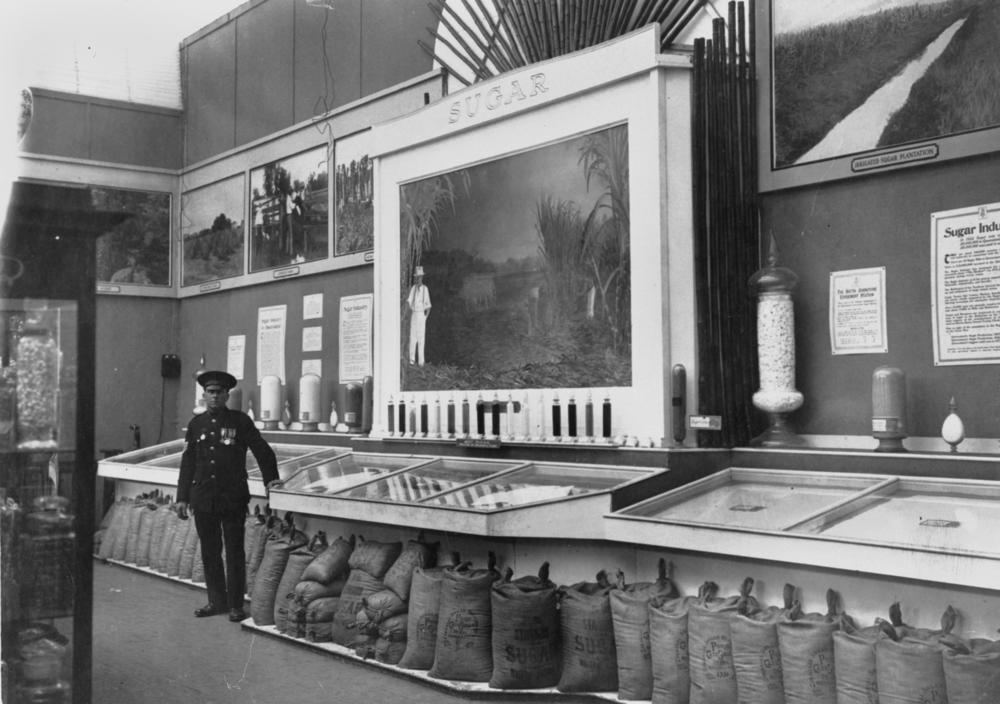
In village halls and small museums across the country, local history societies are keeping the stories of their towns alive, gathering photographs, memories and records that might otherwise be lost. The societies are run by volunteers, many of them retired, who spend their evenings sorting boxes of old pictures, recording interviews with older residents, and leading walks around the streets where history happened. They say the work matters because a town that forgets its past loses part of what makes it a community, and that new residents are often the keenest to learn how their streets came to be. Exhibitions draw crowds, especially when they show familiar places as they once were, with shops, factories and trams that have long since vanished. Schools invite society members to talk to pupils, and family historians turn to their archives to trace ancestors who lived and worked in the town. The societies say their collections are growing, as families donate albums and letters found in attics.
What the Evidence Shows
Historians say the societies do work that no one else will, since official archives keep the records of government and business, while local societies keep the everyday life of ordinary people. They point to the interviews with older residents as especially precious, since memories of wartime, of vanished industries and of streets before the motor car cannot be recovered once the people who hold them are gone. Many societies now put their collections online, so that photographs and records can be seen by anyone, anywhere, and some run projects to map old buildings and record their stories before they are demolished. The challenge, they say, is finding younger volunteers to carry the work on, since the members who built the archives are ageing. For the towns they serve, the societies are a quiet treasure, and their message is simple: the past is not far away, it is written in the streets we walk every day. Reporting and analysis from sources such as Associated Press track the same developments, and specialists following the work of local history societies say the direction is now consistent across independent lines of evidence.
The Wider Context
Regional and local reporting on the work of local history societies often tells a different story from national coverage, because the effects land unevenly: one town’s pilot is another’s distant proposal. Analysts who follow the subject full-time read the local data first, arguing that national averages conceal the variation that decides whether a policy or a project deserves to spread.
What Happens Next
The longer story of the work of local history societies is still being written by the people closest to it, whose experience rarely matches the earliest predictions of either supporters or critics. Reporting will continue to follow the evidence as it accumulates, including where it complicates today’s account. That is the deal serious coverage makes with its readers, and it holds for this subject as for any other. You can follow related developments in our coverage of news.
It is also worth remembering how quickly the picture in this area has changed before. Positions that looked settled a few years ago have been revised as new data arrived, and the same humility is appropriate now. The strongest coverage of this subject, and the most useful advice, tends to come from sources that update their views openly when the facts move, rather than defending an earlier position long after it has stopped fitting the evidence available.
