

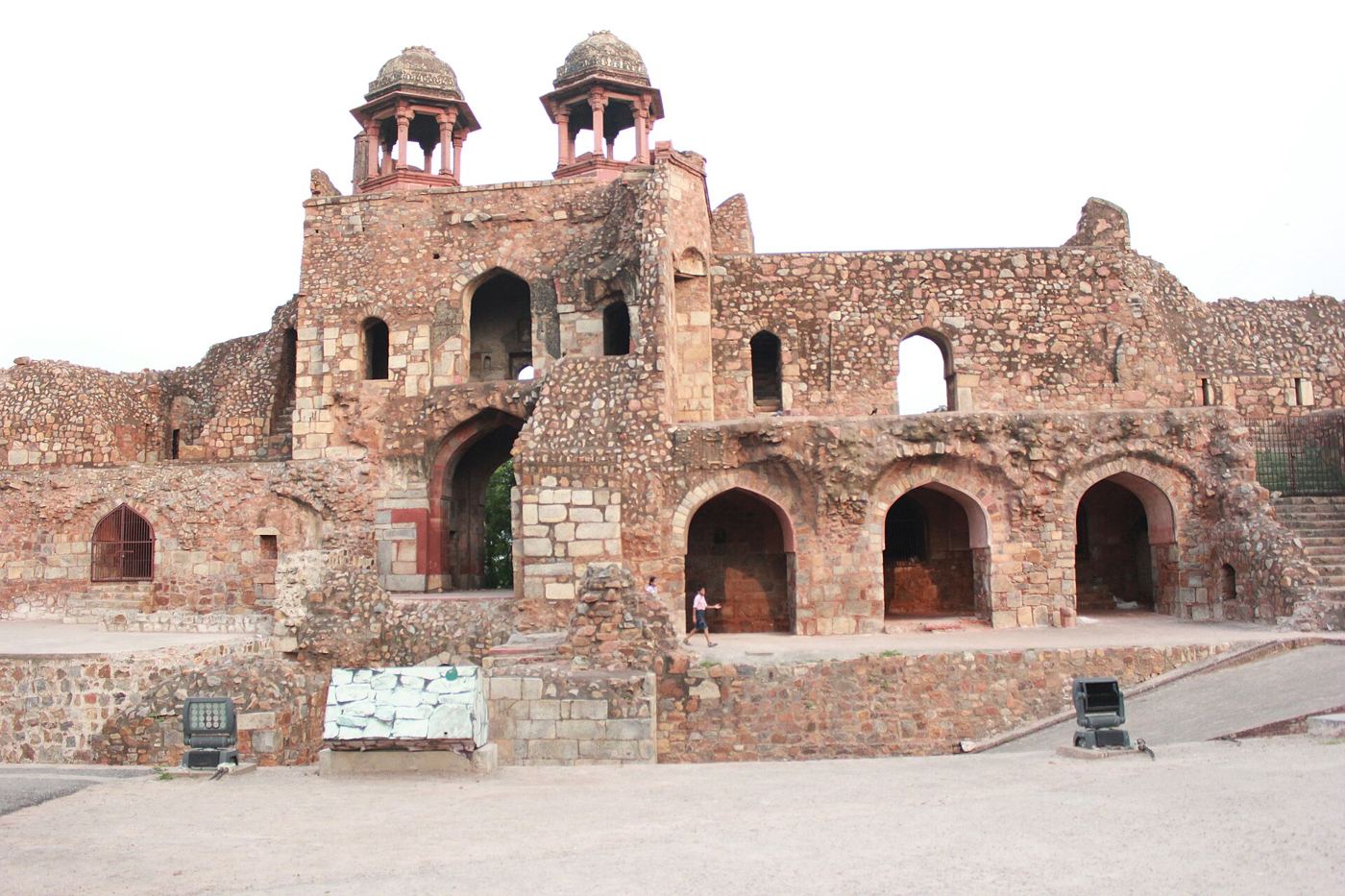
India opened the first Shanghai Cooperation Organisation Civilisational Dialogue Forum in New Delhi on 20 November 2026, with Pakistan taking part in a multilateral event in the Indian capital for the first time since the two countries fought a four-day conflict in May 2025. Prime Minister Narendra Modi inaugurated the three-day forum at the historic Purana Qila, telling delegates that cultural connection is the strongest guarantee of global peace at a time when war and unrest dominate world discussion. Pakistan’s delegation is led by Federal Minister for Climate Change Musadik Malik, who is due to address the forum on 21 November. Fifteen countries are taking part, from the SCO’s ten member states, observers and dialogue partners, in a gathering that marks the organisation’s 25th anniversary. The forum was proposed by Modi at the SCO summit in Tianjin in 2025, and Union Culture Minister Gajendra Singh Shekhawat attended the inauguration.
What the Evidence Shows
Modi proposed that SCO countries work together on digitising and translating ancient texts, arguing that museums, libraries and archives across the region hold a priceless heritage spanning thousands of years. He said that while empires had redrawn the world’s maps, civilisational dialogues had transformed how the world thinks, and quoted the Indian idea of Vasudhaiva Kutumbakam, that the whole world is one family. The forum builds on a proposal Modi made at the SCO summit in Tianjin in 2025 to create a dedicated platform for cultural cooperation, alongside the group’s existing work on security, the economy and connectivity. The forum runs until 22 November, and its organisers hope it becomes a regular tradition rather than a one-off event. The SCO was founded in 2001 and now counts ten members, including China, Russia, India, Pakistan and four Central Asian states, with Iran also a member. Reporting and analysis from sources such as Associated Press track the same developments, and specialists following the first SCO Civilisational Dialogue Forum in New Delhi say the direction is now consistent across independent lines of evidence.
The Wider Context
Regional and local reporting on the first SCO Civilisational Dialogue Forum in New Delhi often tells a different story from national coverage, because the effects land unevenly: one town’s pilot is another’s distant proposal. Analysts who follow the subject full-time read the local data first, arguing that national averages conceal the variation that decides whether a policy or a project deserves to spread.
What Happens Next
The longer story of the first SCO Civilisational Dialogue Forum in New Delhi is still being written by the people closest to it, whose experience rarely matches the earliest predictions of either supporters or critics. Reporting will continue to follow the evidence as it accumulates, including where it complicates today’s account. That is the deal serious coverage makes with its readers, and it holds for this subject as for any other. You can follow related developments in our coverage of news.
It is also worth remembering how quickly the picture in this area has changed before. Positions that looked settled a few years ago have been revised as new data arrived, and the same humility is appropriate now. The strongest coverage of this subject, and the most useful advice, tends to come from sources that update their views openly when the facts move, rather than defending an earlier position long after it has stopped fitting the evidence available.
