

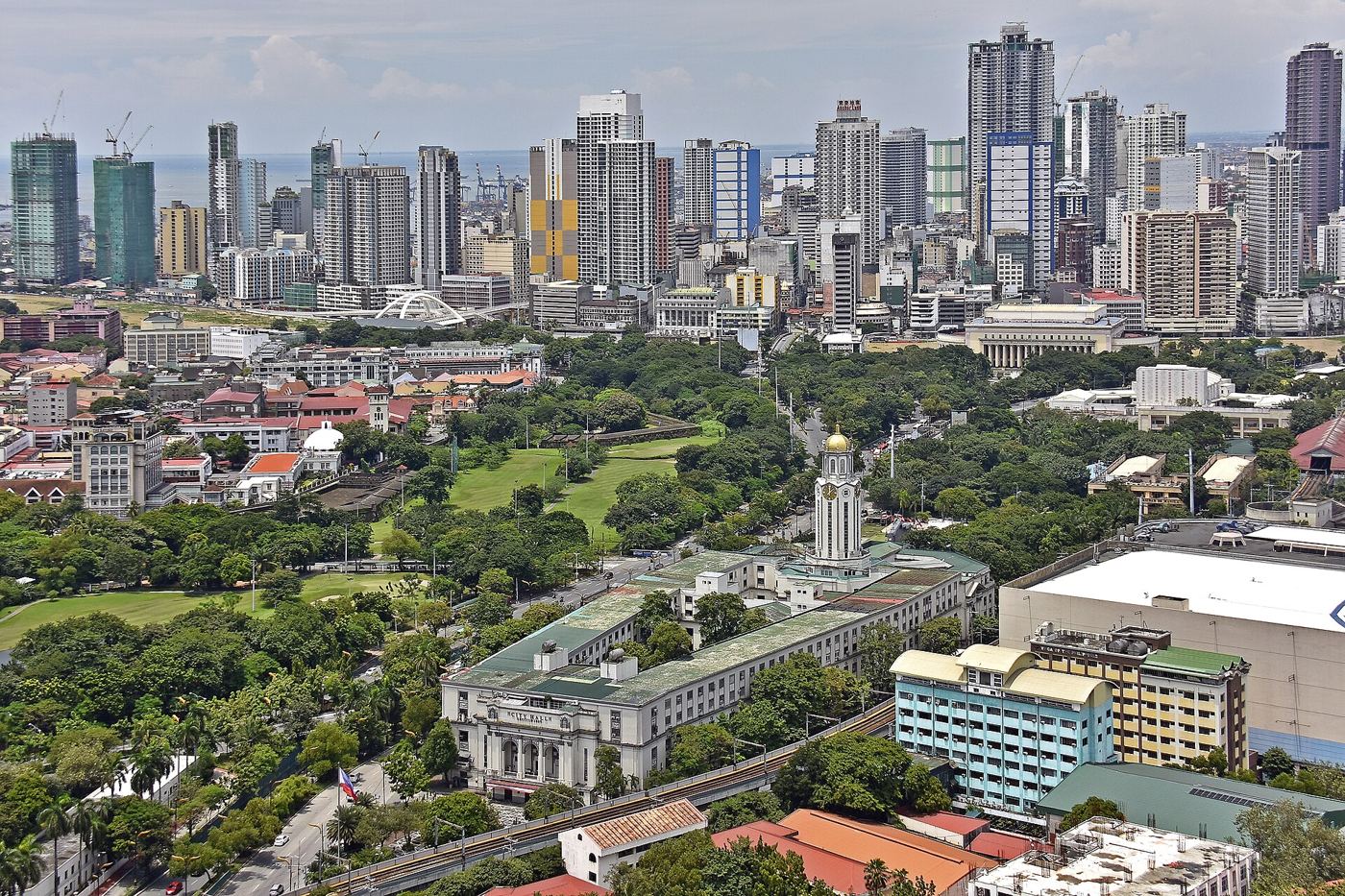
Prime Minister Narendra Modi has arrived in Manila for the Quad summit and the wider ASEAN and East Asia meetings, with India-Philippines defence ties high on the agenda. The visit brings together the leaders of India, the United States, Japan and Australia, the four countries that make up the Quad grouping, at a time of growing strategic competition in the Indo-Pacific. Officials say discussions will cover maritime security, supply chains, technology cooperation and disaster response, alongside the bilateral relationship between India and the Philippines. The four-nation grouping has grown steadily in importance since it was revived in 2017, and its members say it is focused on practical cooperation rather than on forming a military alliance, though critics in Beijing see it differently.
What the Evidence Shows
The Manila meetings come as the Philippines seeks to strengthen its defence partnerships amid continuing tensions in the South China Sea, where its vessels have repeatedly clashed with Chinese ships. India has been expanding its own security cooperation in Southeast Asia, including defence sales and joint exercises, and the two countries are expected to announce new steps in that direction. Analysts say the Quad’s challenge is to show that it can deliver practical results, from coastguard cooperation to infrastructure investment, rather than simply issuing statements. Beyond security, the leaders are expected to discuss cooperation on clean energy, critical minerals and undersea cables, areas where the four countries believe they can offer the region an alternative to dependence on any single power. The Philippines has welcomed the attention, and officials in Manila say the visit underlines how central their country has become to regional security. Reporting and analysis from sources such as Associated Press track the same developments, and specialists following the Quad summit meeting in Manila say the direction is now consistent across independent lines of evidence.
The Wider Context
Regional and local reporting on the Quad summit meeting in Manila often tells a different story from national coverage, because the effects land unevenly: one town’s pilot is another’s distant proposal. Analysts who follow the subject full-time read the local data first, arguing that national averages conceal the variation that decides whether a policy or a project deserves to spread.
What Happens Next
The longer story of the Quad summit meeting in Manila is still being written by the people closest to it, whose experience rarely matches the earliest predictions of either supporters or critics. Reporting will continue to follow the evidence as it accumulates, including where it complicates today’s account. That is the deal serious coverage makes with its readers, and it holds for this subject as for any other. You can follow related developments in our coverage of news.
It is also worth remembering how quickly the picture in this area has changed before. Positions that looked settled a few years ago have been revised as new data arrived, and the same humility is appropriate now. The strongest coverage of this subject, and the most useful advice, tends to come from sources that update their views openly when the facts move, rather than defending an earlier position long after it has stopped fitting the evidence available.
