

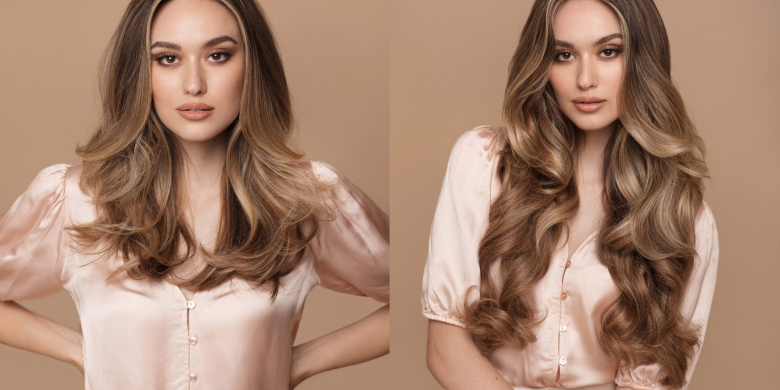
The best hair extensions are the ones nobody notices. When colour, texture, and length are matched properly, extensions blend into your own hair so well that even close friends can’t tell where your hair ends and the extensions begin. When they’re matched poorly, the mismatch shows straight away: a slightly warmer shade, a texture that won’t curl the same way, or a weight that sits awkwardly.
If you’re searching for natural hair extensions in Melbourne, this guide covers what to look for and what to ask before you commit.
1. Start with Your True Base Colour
Most people describe their hair by the colour they think they have, not the colour it is. Years of sun exposure, past colouring, and product build-up all shift your shade, so it’s worth looking closely before you choose.
Check your hair in natural daylight, ideally near a window. Look at three areas:
- Roots: your true, untouched shade
- Mid-lengths: where sun and styling have usually changed the tone
- Ends: often the lightest or driest section
If your hair has varied tones, such as darker roots with lighter ends, a single shade of extension won’t blend well. Colour-matched or multi-tonal wefts recreate that natural dimension, and a good stylist will often blend two or three shades together.
2. Identify Your Undertone
Getting the depth right isn’t enough. Undertone is what makes hair look natural or artificial next to your own.
- Warm undertones show golden, copper, or honey hints
- Cool undertones lean ash, beige, or silvery
- Neutral undertones sit somewhere in between
A common mistake is choosing a shade that looks right on the swatch but clashes once it’s next to your hair. Brunettes often assume they’re “just brown” when their hair has a red-gold cast in the sun. Blondes may find their shade is more ash than expected. Holding a swatch against your hair in natural light, rather than under salon lighting or a phone flashlight, gives a more honest comparison.
3. Match Your Hair Texture
Colour gets most of the attention, but texture is what makes extensions feel like part of your hair. Consider three things:
Pattern: Is your hair straight, wavy, curly, or coily? Straight extensions on naturally wavy hair can look flat and stiff unless you style them together each day. If you wear your natural texture most of the time, choose extensions that match it, or that hold a wave or curl similarly.
Thickness: Fine hair paired with heavy, thick extensions can look bulky at the top of the weft and cause discomfort or strain. Thick hair may need more volume than a standard set provides.
Finish: Your hair may be silky, matte, or slightly frizzy. Extensions that are noticeably shinier than your own hair will stand out, especially in photos.
4. Choose the Right Length and Density
Longer isn’t always better. Most people find that extensions blend most seamlessly when they add length gradually, rather than jumping from a bob to waist-length.
Density matters just as much. If you’re only after volume, choose lighter weights that thicken the ends without adding excess length. If you want both length and fullness, plan for more wefts or a fuller set. Too few extensions can leave visible gaps, and too many can look heavy and unnatural.
5. Pick a Method That Suits Your Lifestyle
The application method affects how well extensions blend and how they feel day to day.
- Tape-in extensions: flat, lightweight, and good for fine hair
- Hand-tied wefts: very thin and flexible, popular for a seamless finish
- Clip-ins: ideal for occasional wear or trying extensions out
- Keratin bonds: individual strands for a natural movement, though more time-intensive to fit
Each method suits different hair types and budgets. It helps to think about how often you wash and style your hair, how active you are, and how long you want the extensions to last.
6. Always Get a Professional Consultation
Photos and online swatches only go so far. Screens change colours, and lighting changes them again. A consultation with an experienced stylist lets you see the shades against your actual hair, discuss your lifestyle, and get advice on placement and blending.
Local knowledge matters too. Melbourne’s changeable weather, from bright summer sun to humid days and dry winter heating, affects how hair looks and behaves. A stylist who understands this can help you choose extensions that stay looking natural through the seasons. If you’re comparing natural hair extension options, look for a salon that offers colour matching in person and blends the extensions with a custom cut.
7. Care for Extensions Like You Care for Your Own Hair
Even a perfect match can fade if extensions aren’t looked after. To keep them blending in:
- Use sulphate-free shampoo and conditioner
- Brush gently from the ends upwards
- Limit heat styling, and always use a heat protectant
- Sleep with hair loosely braided or tied
- Book regular maintenance appointments
Because extensions don’t receive natural oils from your scalp, they can dry out faster than your own hair. Good care keeps them soft, shiny, and consistent with the rest of your hair.
Final Thoughts
Matching hair extensions to your natural hair comes down to a few careful decisions: true colour, undertone, texture, length, and the right application method. Take your time, check your options in natural light, and don’t skip the consultation. With the right match, you’ll get the length or volume you want without anyone being able to tell.
If you’re ready to explore natural hair extension options, book a consultation and see the shades against your own hair. It’s the best way to find extensions that look like they’ve always been yours.
