

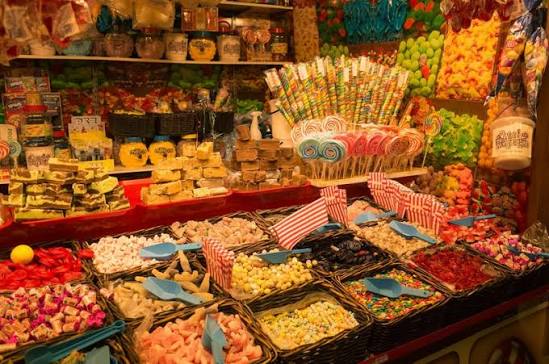
Traditional British sweets have a special appeal for people who enjoy classic confectionery, familiar flavours and nostalgic treats. From chewy toffees and fruit-flavoured sweets to chocolate bars and traditional boiled candies, British confectionery offers plenty of variety for different tastes.
Whether you grew up enjoying British sweets or simply want to try something different, finding the right shop can make your shopping experience easier. A good retailer should offer a suitable selection of traditional products, clear product information, reliable service and convenient purchasing options.
With so many confectionery products available, knowing what to look for can help you choose a shop that stocks your favourite treats. This guide explains how to identify a suitable retailer, compare product selections and find traditional British sweets worth adding to your collection.
Why Shop for Traditional British Sweets?
British confectionery has a long history of traditional recipes, familiar brands and distinctive flavours. Many sweets have remained popular across generations, making them recognisable favourites for people who enjoy classic treats.
Some popular categories include:
- Traditional boiled sweets.
- Fruit-flavoured confectionery.
- Chewy sweets and toffees.
- Liquorice products.
- Chocolate bars and chocolate treats.
- Fudge and other traditional sweets.
- Retro confectionery favourites.
These products can appeal to people looking for nostalgic treats, imported confectionery or something different from everyday supermarket selections.
1. Look for a Shop with a Wide Range of British Confectionery
The first thing to consider when choosing a retailer is its product selection. A good shop should offer enough variety to help customers find both familiar favourites and new sweets to try.
A popular British candy shop may stock traditional confectionery alongside well-known chocolate brands, retro sweets and speciality products.
When reviewing a shop’s selection, consider whether it offers:
- Traditional British sweet varieties.
- Different flavours and textures.
- Recognisable confectionery brands.
- Individual sweets and packaged selections.
- Seasonal and limited-edition products.
- Options suitable for gifting.
A varied range makes it easier to find products for different preferences without having to purchase from several retailers.
2. Check Product Authenticity and Brand Selection
When buying imported British sweets, product authenticity is an important consideration. Customers may have specific brands or traditional products in mind, so checking the product range before purchasing can save time.
Look for retailers that provide clear product names, brand information, packaging details and ingredient descriptions.
Some well-known British confectionery brands and products include:
- Cadbury chocolate products.
- Rowntree’s fruit sweets.
- Swizzels confectionery.
- Maynards Bassetts sweets.
- Walkers Nonsuch toffees.
- Barratt traditional confectionery.
Availability can vary between retailers, so it is worth checking current stock before placing an order.
3. Compare Online and Physical Candy Shops
Customers can purchase British sweets through both online retailers and physical confectionery shops. Each option has different advantages.
Physical shops allow customers to browse products, compare packaging and purchase items immediately when they are available.
Online shops can provide access to a wider selection, particularly for customers who do not have a specialist British confectionery retailer nearby.
When comparing shopping options, consider:
- Product variety.
- Ease of browsing.
- Delivery availability.
- Shipping charges.
- Payment options.
- Customer support.
- Product availability.
The right choice depends on whether convenience, immediate availability or a broader product selection is more important.
4. Check Ingredients, Allergens and Product Information
Before buying confectionery, customers should review the ingredient and allergen information.
Different sweets may contain milk, nuts, soy, gluten or other ingredients that some people need to avoid. Product formulations can also vary between brands and markets.
Always check the packaging or product listing for:
- Ingredient information.
- Allergen declarations.
- Nutritional information.
- Country of origin.
- Best-before dates.
- Storage instructions.
For imported confectionery, clear and accurate product information is particularly important. Customers should not rely only on product photographs or brand descriptions when checking ingredients.
5. Consider Product Freshness and Storage
Confectionery quality can be affected by storage conditions, particularly during transportation and warmer weather.
Chocolate products may be sensitive to heat, while certain sweets can be affected by moisture or unsuitable storage.
Before purchasing, check whether the retailer provides information about product freshness, storage and best-before dates.
A reliable retailer should also have appropriate arrangements for storing and transporting its products.
Customers purchasing larger quantities or gift selections may find it useful to confirm product dates before completing their order.
6. Read Customer Reviews and Check Retailer Reputation
Customer reviews can provide useful information about a shop’s products and service.
Rather than focusing only on overall ratings, look for comments that mention specific aspects of the shopping experience.
Consider checking feedback about:
- Product quality.
- Delivery reliability.
- Packaging condition.
- Order accuracy.
- Customer service.
- Product availability.
Reviews from multiple customers can help identify recurring strengths or concerns.
It is also worth checking whether the retailer provides clear contact information, delivery policies and returns information.
7. Explore Traditional Sweets and Retro Favourites
One of the enjoyable parts of buying British confectionery is discovering traditional sweets that may not be available through regular grocery retailers.
Some customers prefer familiar products, while others enjoy trying retro confectionery and less common flavours.
Examples of traditional British sweets include:
- Sherbet lemons.
- Rhubarb and custard sweets.
- Pear drops.
- Blackcurrant and liquorice sweets.
- Mint humbugs.
- Butterscotch sweets.
- Traditional fudge.
These products can also make interesting additions to gift boxes and confectionery collections.
8. Look for Gift Packs and Assorted Sweet Collections
British sweets can make suitable gifts for birthdays, celebrations and other special occasions.
Assorted confectionery collections allow customers to try different products without purchasing full quantities of each individual sweet.
When choosing a gift selection, consider:
- The recipient’s preferred flavours.
- Chocolate and non-chocolate options.
- Packaging and presentation.
- Product variety.
- Ingredient and allergen information.
- Delivery timing.
Some retailers may also offer seasonal confectionery collections, making it easier to find products for particular celebrations.
9. Compare Prices and Delivery Options
Price is another important factor when choosing a confectionery retailer. Imported sweets can have different prices depending on the brand, product size, availability and supplier arrangements.
Customers should compare the total purchase cost rather than looking only at individual product prices.
Check whether the retailer offers:
- Competitive product pricing.
- Multi-product selections.
- Bulk purchasing options.
- Delivery to your location.
- Clear shipping charges.
- Promotional offers.
For online purchases, review delivery estimates and any applicable shipping conditions before placing an order.
10. Choose a Shop That Makes Shopping Easy
A good shopping experience involves more than having the right sweets available. Customers should be able to find products, understand their descriptions and complete purchases without unnecessary difficulty.
For online retailers, useful features include clear product categories, accurate photographs, searchable listings and straightforward checkout processes.
For physical stores, organised displays, helpful staff and clear pricing can make browsing more convenient.
A retailer that provides good product information and accessible customer support can make it easier to purchase traditional British confectionery with confidence.
Finding the Right British Candy Shop for Your Favourite Sweets
Choosing the right confectionery retailer involves considering product variety, brand selection, authenticity, freshness, pricing and customer service. Whether you prefer traditional boiled sweets, chewy toffees, chocolate bars or retro confectionery, a well-stocked shop can make it easier to find products that suit your preferences.
Take time to compare available retailers, review product descriptions and check customer feedback before purchasing. Pay particular attention to ingredient information, storage conditions and delivery arrangements when ordering imported sweets online.
By focusing on these factors, you can find a suitable shop for discovering traditional British confectionery and enjoying familiar favourites alongside new sweet treats.