

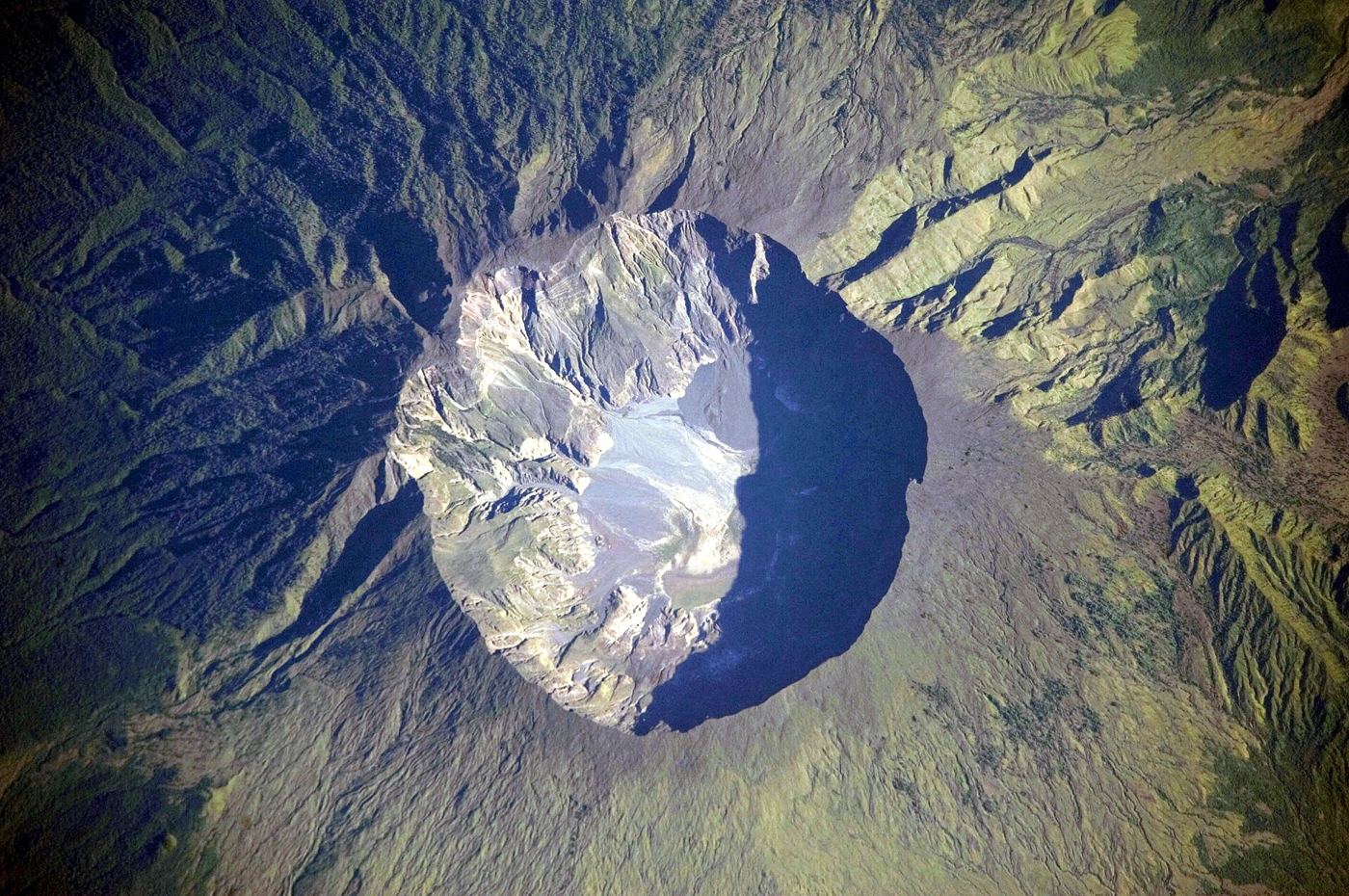
An island volcano has erupted, sending a tall column of ash high above the surrounding coast and prompting officials to warn people to stay well away from the area. Monitoring teams reported increased activity before the eruption, including tremors and changes in gas emissions, which allowed authorities to close nearby paths and alert shipping in advance. Residents in coastal settlements watched the ash cloud drift slowly with the wind, covering roofs and cars in a thin grey layer. No injuries were reported in the first official updates, and emergency services focused on keeping roads clear and checking that water supplies remained unaffected by falling ash. Schools in the most affected settlements stayed closed as a precaution, and ferry operators reviewed their schedules while visibility remained poor and ash continued to settle on decks, roads and harbour equipment nearby. Emergency teams remained on standby while monitoring equipment tracked the ash cloud and any renewed activity.
What the Evidence Shows
Scientists said eruptions like this are a reminder that island landscapes are still being shaped by powerful natural forces. They will study satellite images and ground measurements to understand how much material was released and whether further activity is likely in the coming days. Airlines were advised to monitor ash forecasts, since fine volcanic particles can damage aircraft engines even when they are barely visible from the ground. Local farmers began covering animal feed and washing ash from crops where it was safe to do so. Officials promised regular updates and asked visitors to respect closures, explaining that viewpoints near an active volcano can become dangerous quickly if winds shift or activity increases without warning. Tourism businesses said they were monitoring bookings carefully, reassuring visitors that areas away from the closed zone remained open and safe, while asking guests to follow official advice rather than rumours circulating on social media. Reporting and analysis from sources such as Associated Press track the same developments, and specialists following island volcano eruption say the direction is now consistent across independent lines of evidence.
The Wider Context
Regional and local reporting on island volcano eruption often tells a different story from national coverage, because the effects land unevenly: one town’s pilot is another’s distant proposal. Analysts who follow the subject full-time read the local data first, arguing that national averages conceal the variation that decides whether a policy or a project deserves to spread.
What Happens Next
The longer story of island volcano eruption is still being written by the people closest to it, whose experience rarely matches the earliest predictions of either supporters or critics. Reporting will continue to follow the evidence as it accumulates, including where it complicates today’s account. That is the deal serious coverage makes with its readers, and it holds for this subject as for any other. You can follow related developments in our coverage of news.
It is also worth remembering how quickly the picture in this area has changed before. Positions that looked settled a few years ago have been revised as new data arrived, and the same humility is appropriate now. The strongest coverage of this subject, and the most useful advice, tends to come from sources that update their views openly when the facts move, rather than defending an earlier position long after it has stopped fitting the evidence available.
